


-

Add: HeBei ShengShi HongBang Cellulose Technology CO.,LTD.
-

Email
13180486930@163.com -

CONTACT US
+86 13180486930
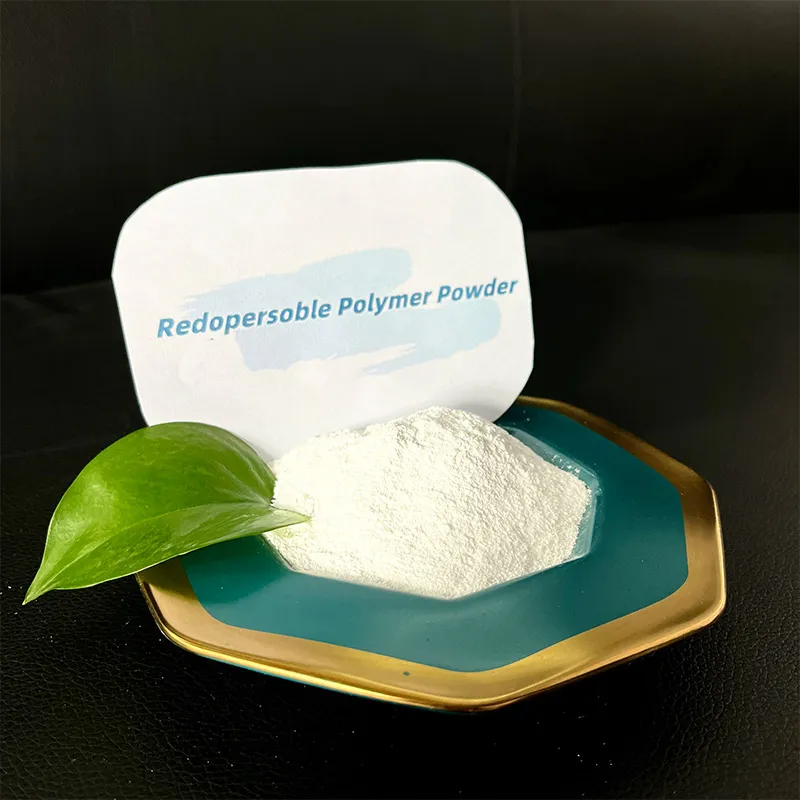
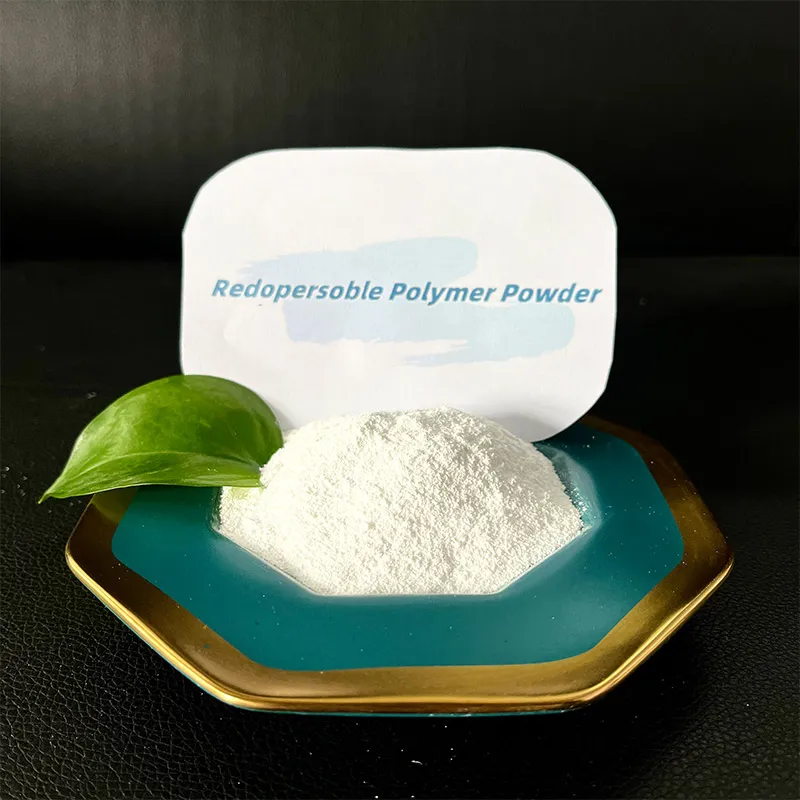




Polymer powder is a key ingredient in many industries, providing critical properties to products in construction, adhesives, coatings, and more. With its wide range of applications, polymer powder enhances the performance, durability, and flexibility of finished products. Available in various forms, polymer powder s can be tailored to meet the specific needs of different applications, making them a versatile choice for manufacturers worldwide. Whether you're working in construction, paints, or textiles, polymer powder offers the ideal solution for improving your products’ functionality. Explore Our Range of Colored Polymer Powder If you need vibrant, long-lasting colors in your products, colored polymer powder is the way to go. Whether you're producing construction materials, decorative coatings, or consumer goods, colored polymer powder offers an efficient way to introduce rich, stable colors into your products. Our premium colored polymer powder is designed to maintain its brightness and consistency, ensuring your products stand out. With a wide selection of shades, you can achieve the exact color you need while maintaining high quality and performance. The Benefits of Redispersible Polymer Powder Redispersible polymer powder is a game-changer in many industrial applications. Unlike traditional resins, redispersible polymer powder can be re-dispersed in water to create a solution, which offers greater convenience and efficiency for various processes. Widely used in adhesives, tile grout, and plaster, redispersible polymer powder enhances bonding strength, flexibility, and durability. This type of polymer powder is particularly valued in the construction and building materials sectors, providing superior performance while reducing transportation and storage costs. Discover the many benefits of using redispersible polymer powder in your formulations today. What Influences Polymer Powder Price? When considering polymer powder price , it’s important to understand the factors that affect the cost. The polymer powder price can vary depending on the type of polymer used, the quantity purchased, and the specific application for which the powder is intended. High-performance polymer powder may be priced higher due to its specialized formulations, while larger orders typically reduce the cost per unit. Additionally, polymer powder price can also depend on the presence of additives, colorants, and whether the polymer powder is customized for particular applications. To ensure you're getting the best value for your needs, always consider both the performance and the cost-effectiveness of the polymer powder price . Why Choose Our Polymer Powders for Your Business? Our polymer powder products are crafted with the highest standards of quality and performance, ensuring that your manufacturing processes run smoothly. From colored polymer powder to redispersible polymer powder , we offer a comprehensive selection that suits a wide variety of industries. Our polymer powder solutions are designed to enhance the quality of your final products, increase production efficiency, and offer cost-effective solutions for your business. With competitive polymer powder price s, we guarantee the best value for your investment. Whether you need a specialized formula or a standard polymer powder , our products are the perfect addition to your production line. Polymer Powders FAQs What is polymer powder? Polymer powder is a fine, dry material made from polymers, typically used in various industrial applications to improve the properties of products like adhesives, coatings, and construction materials. It is valued for its ability to enhance flexibility, strength, and durability in the final product. Polymer powder can come in different types, such as colored polymer powder or redispersible polymer powder , each serving specific functions depending on the industry. What is colored polymer powder used for? Colored polymer powder is primarily used to add vibrant colors to products such as construction materials, coatings, and consumer goods. The color pigments are stable and long-lasting, ensuring that the final product maintains its color over time, even under challenging conditions. It’s ideal for applications where both color and performance are important, making it perfect for industries like construction, automotive, and packaging. What is redispersible polymer powder and how is it used? Redispersible polymer powder is a special type of polymer powder that can be re-dispersed in water, forming a solution that can be easily applied in a variety of industrial processes. It’s commonly used in adhesives, tile grouts, and plaster, where it improves bonding strength, flexibility, and water resistance. The ability to re-dispense the polymer powder in water makes it a more convenient and cost-effective solution for many manufacturing processes. How does the polymer powder price vary? The polymer powder price depends on several factors, including the type of polymer used, the quantity purchased, and whether any special additives or colors are involved. Specialty redispersible polymer powder sand colored polymer powder s often come at a higher price due to their advanced formulations. Additionally, larger volume purchases can reduce the polymer powder price per unit, offering better cost-effectiveness for bulk orders. Why should I choose your polymer powders? Our polymer powder sare craftedto meet the highest standards of quality, ensuring that your products perform at their best. We offer a wide selection of colored polymer powder s and redispersible polymer powder s, all designed to enhance the durability, flexibility, and performance of your products. Our polymer powder price is competitive, offering you the best value for your investment. Whether you’re in construction, coatings, or any other industry, we have the perfect polymer powder solution for you.
- 40000tons

Production
- 20+years

Experience
- 5000+㎡

Acreage

-

Understanding the nuances of HPMC enteric coating is crucial for anyone involved in pharmaceuticals, especially when aiming for optimized drug delivery. Hydroxypropyl methylcellulose (HPMC) is renowned for its versatility and application in enteric coatings . These coatings are specifically designed to remain intact in the acidic environment of the stomach, and only dissolve in the more neutral to alkaline conditions of the intestine, ensuring that the active pharmaceutical ingredient (API) is released at the optimal site for absorption and efficacy. The use of HPMC in enteric coating primarily involves its ability to protect drugs from gastric juices and enhance their stability and bioavailability. This protection is particularly beneficial for API that can be degraded or inactivated by stomach acid, such as enzymes and probiotics. Moreover, HPMC enteric coating can also be applied to achieve a delayed release of medication, such as in chronotherapy where timing is crucial for the medical condition being treated. A significant experience shared by pharmaceutical professionals centers around the customization possibilities of HPMC enteric coatings. Unlike other polymers, HPMC allows for a fine-tuning of dissolution properties through modification of its chemical structure, including its methoxy and hydroxypropoxy groups. This flexibility provides formulators with the advantage of designing coatings that match the dissolution profile necessary for a specific drug, taking into consideration factors like release time and intestinal pH. Expertise in applying HPMC as an enteric coating also involves a deep understanding of its interplay with other formulation components. The pH-sensitive nature of HPMC can be influenced by the presence of plasticizers, anti-tacking agents, and other excipients. A meticulous balance must be struck as improper levels can lead to brittleness or premature dissolution, thereby compromising the drug's efficacy. hpmc enteric coating Authoritativeness in the field is demonstrated by data from trials and studies indicating the effectiveness of HPMC coatings. Clinical trials consistently reveal that tablets and capsules coated with HPMC show reliable protection in the gastric region with precise release in the intestines, leading to improved patient outcomes. This empirical evidence backs the choice of HPMC by researchers and formulators seeking dependable enteric solutions. In terms of trustworthiness, HPMC offers several advantages. Its safety profile is well-established, with years of historical use and regulatory approval in various countries. It is non-toxic and non-irritating, which reinforces its credibility and suitability for both human and veterinary pharmaceutical applications. Furthermore, its natural origin as a cellulose-derived polymer appeals to the growing demand for sustainable and biodegradable excipients. In conclusion, HPMC enteric coating stands out as a crucial tool in modern drug delivery systems. Its ability to protect APIs from stomach acids, coupled with its customization potential and proven track record, makes it an indispensable component in pharmaceutical formulations. For manufacturers and formulators seeking reliability and efficacy, HPMC enteric coatings offer a time-tested solution that aligns with both current and emerging industry standards.
-
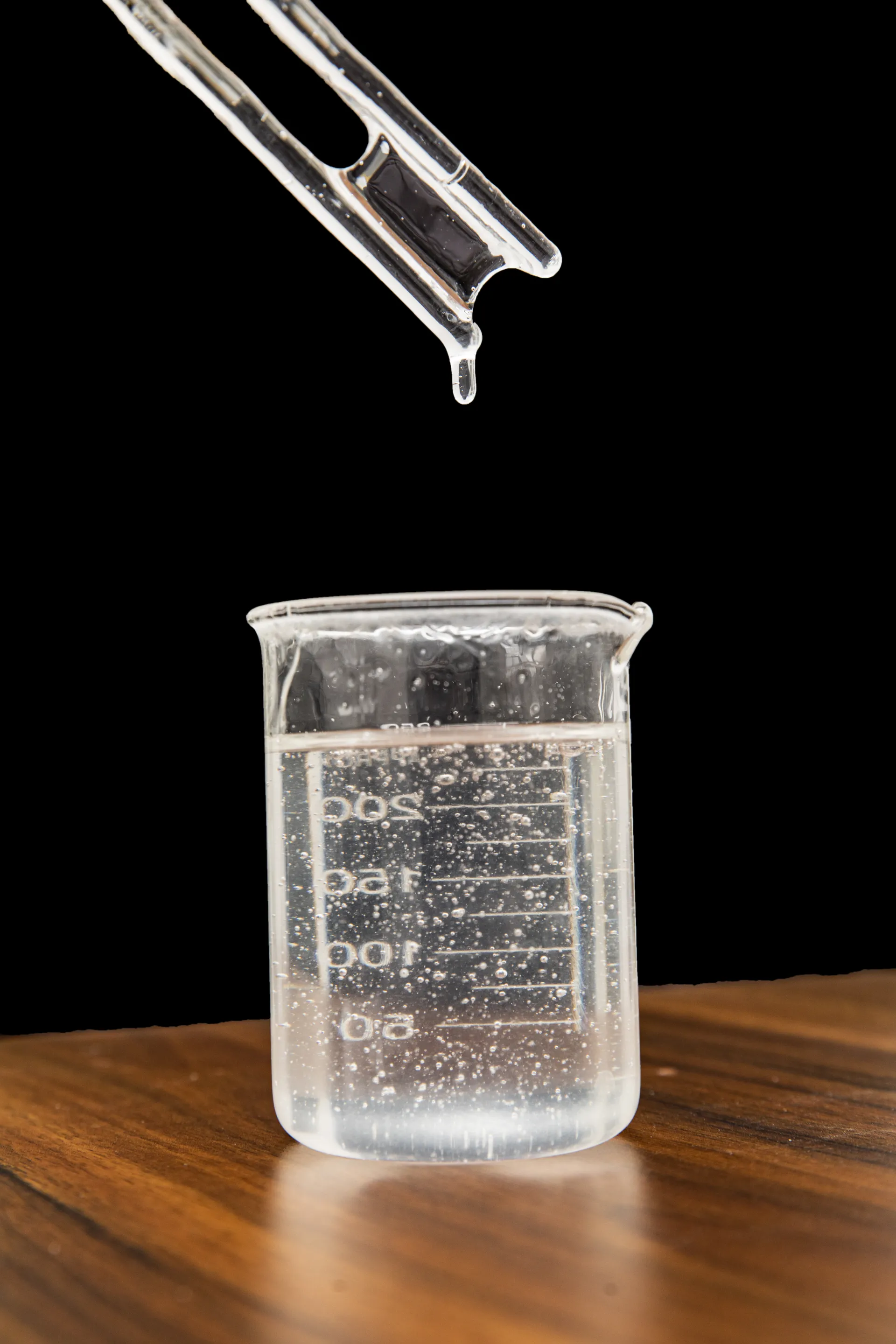
The HPMC K100M viscosity grade is revolutionizing the landscape of the pharmaceutical and construction industries. As a high-viscosity hydroxypropyl methylcellulose, HPMC K100M demonstrates not only superior versatility but also unmatched performance in various applications. This article delves into the unique characteristics of HPMC K100M, leveraging real-world experience, professional insights, authoritative data, and a rubric of trustworthiness. In practice, HPMC K100M's thickening properties are essential in pharmaceutical formulations, particularly in developing controlled-release tablets. The viscosity parameter, often a pivotal factor, ensures the accurate delivery of active ingredients over a prolonged period, enhancing the therapeutic efficiency of the medication. From expert consultations with pharmaceutical professionals, the HPMC K100M's ability to form a gel barrier has been highlighted as a critical feature, aiding in the sustained release of drugs. This attribute not only optimizes pharmacokinetics but also minimizes potential side effects, underlining the thickener's indispensable role in modern medicine. From a technical standpoint, HPMC K100M's robustness is attributed to its optimal molecular weight and unique chemical structure that enable its exceptional water retention and binding capabilities. Experts in material science recognize HPMC K100M as a critical additive in construction materials, such as cement and mortar. Its high viscosity attribute assists in maintaining the necessary moisture content, thereby preventing cracking and improving workability for construction projects. The material's reliability is backed by authoritative studies that document increased tensile strength and flexibility in cementitious applications due to the incorporation of HPMC K100M. Trust in HPMC K100M’s performance is further bolstered by strict adherence to industry standards. The material's consistency in viscosity is verified through rigorous quality testing, ensuring batch-to-batch uniformity. This trust is mirrored by its widespread adoption across industries and is supported by numerous testimonials from industry leaders who have relied on HPMC K100M to deliver quality and innovation in their products. Such consistent performance establishes HPMC K100M as a trustworthy ingredient relied upon in both pharmaceuticals and construction. hpmc k100m viscosity The global market perspective for HPMC K100M also reflects its growing importance . With trends leaning towards enhanced efficiency and environmentally sustainable practices, HPMC K100M provides a dual benefit. Its inclusion reduces the reliance on synthetic additives, aligning with eco-friendly goals and supporting the shift towards greener product solutions. From direct experiences within the sector, feedback from end-users further consolidates the HPMC K100M’s position as a catalyst for innovation. Interviews and surveys capture the real-world impact of its application, underlining improvements in product longevity and user satisfaction, which translates into a competitive edge for businesses employing this versatile thickener. In conclusion, the HPMC K100M viscosity grade stands as a testament to the intersection of scientific innovation and practical application. Its critical role in two vastly different industries—pharmaceuticals and construction—demonstrates both its adaptability and necessity. The roadmap for HPMC K100M continues to expand as new sectors explore its potential, promising an exciting trajectory rooted in reliability, efficacy, and sustainability. As industries evolve, the need for such high-performance materials will only grow, securing HPMC K100M's place at the forefront of material technology solutions.
advantages
-

200000 Viscosities
Excellent product
We can produce pure products up to 200,000 viscosities
-

40000 tons
High yield
We don’t stop production all year round, and the annual output can reach 40,000 tons
-

24 hours
Quality service
We provide 24-hours online reception service, welcome to consult at any time
———— Inquiry Form
Schedule A services

-
 natural_rubber_powder
Oct . 25, 2025
Provided by: HeBei ShengShi HongBang Cellulose Technology CO.,LTD. Address: HeBei ShengShi HongBang -
 hpmc_distributor
Oct . 25, 2025
Hydroxypropyl Methylcellulose (HPMC) is a highly versatile and reliable compound used across various -
 china_factory_rubber_powder
Oct . 25, 2025
Gypsum retarder is an important construction additive, designed to extend the setting time of gypsum


